


Empowering Global Change: Tackling Food Insecurity and Health in Impoverished Nations
- David Kerrigan

- Feb 3
- 3 min read
Food insecurity and limited access to medical care remain pressing challenges in many impoverished regions, especially across parts of Africa. These issues affect millions, undermining health, economic stability, and community growth. Efforts to address these problems have expanded globally, with organizations partnering to deliver essential food and medical supplies while teaching vital skills that promote self-sufficiency. This post explores how these initiatives are making a real difference and why supporting such efforts matters.
Partnering with Food and Medical Organizations
Global partnerships have become a cornerstone in the fight against hunger and poor health. By working with established food banks, medical supply groups, and local NGOs, these collaborations ensure that aid reaches those who need it most. For example, organizations often coordinate shipments of staple foods like grains, beans, and cooking oil, alongside essential medicines such as antibiotics and vaccines.
These partnerships also help improve logistics and distribution networks in remote areas. In some African countries, roads and infrastructure can limit access to aid. Partnering with local groups who understand the terrain and community needs helps overcome these barriers, ensuring supplies arrive safely and efficiently.
Teaching Skills for Long-Term Impact
Providing food and medicine is crucial, but lasting change requires empowering communities to sustain themselves. Many programs now focus on teaching skills that help people grow their own food, manage small businesses, and care for common health issues.
Growing Food
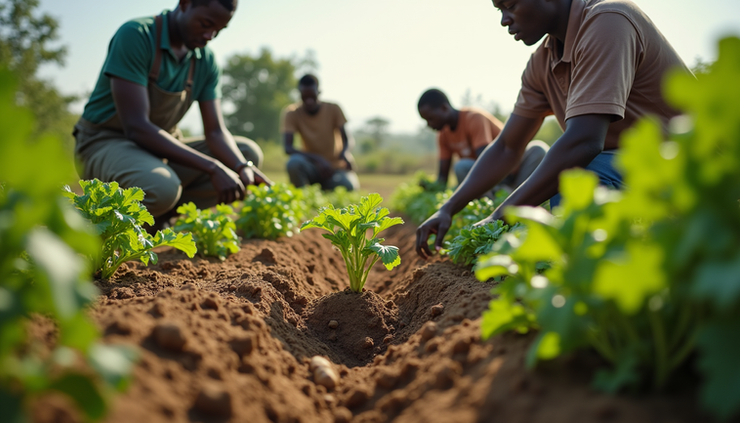
Training in agriculture includes teaching techniques suited to local climates and soil conditions. For instance, drought-resistant crops and water-saving irrigation methods help farmers maintain yields even in challenging environments. Workshops often cover:
Seed selection and planting schedules
Soil preparation and composting
Pest control without harmful chemicals
These skills increase food availability and reduce dependence on external aid.
Selling Food
Economic empowerment is another key element. Communities learn how to sell surplus crops in local markets, creating income streams that support families and fund further agricultural efforts. Training covers:
Basic bookkeeping and pricing
Marketing strategies tailored to local buyers
Building cooperative groups to strengthen bargaining power
This approach helps build resilient local economies.
Treating Infections and Basic Health Care
Health education programs teach simple but effective ways to prevent and treat common infections. Topics include:
Recognizing symptoms of infections early
Proper wound care and hygiene practices
Using basic medicines correctly
These lessons reduce illness and improve overall community well-being.

Making a Dent in Food Insecurity
Food insecurity affects millions in Africa, with some regions experiencing chronic shortages. By combining direct aid with education, these global efforts have helped reduce hunger in several communities. For example, in parts of East Africa, programs teaching sustainable farming have increased crop yields by up to 40% in just a few years. This progress means fewer families face hunger during dry seasons.
Moreover, teaching people to grow and sell food creates a cycle of improvement. As incomes rise, families can afford better nutrition and healthcare, which further supports productivity and growth.
Expanding Global Reach and Responsibility
As these initiatives expand globally, more impoverished nations gain access to vital resources and knowledge. This growth reflects a shared responsibility to address global inequality and improve lives. Every shipment of food and medicine, every training session, and every success story contributes to a larger movement toward health and stability.
Supporting these efforts can take many forms. Individuals can donate, volunteer, or spread awareness. Governments and businesses can partner to fund and scale programs. Together, these actions help build a future where fewer people suffer from hunger and preventable diseases.


Comments